Overview of the Vios Nebulizer
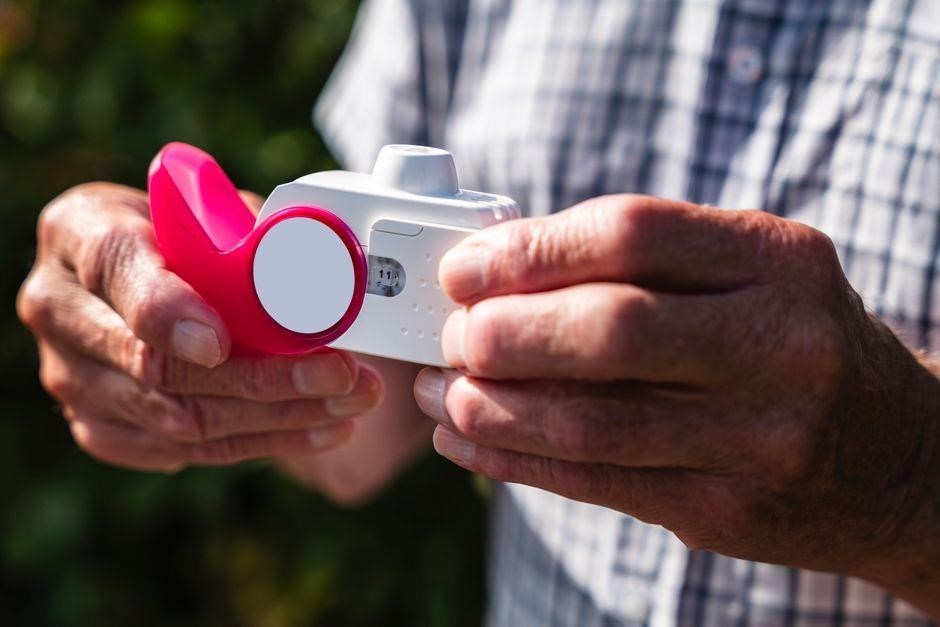
The Vios nebulizer‚ launched by PARI Respiratory Equipment‚ is a compact aerosol delivery system designed to work seamlessly with PARI’s reusable nebulizers. It offers precise medication delivery‚ quiet operation‚ and user‑friendly controls for effective respiratory therapy. Ideal for home and clinical use..

Assembly Steps
Unbox the Vios unit‚ verify all parts: base‚ control panel‚ tubing‚ and mouthpiece. Align the tubing connector with the unit’s port‚ secure by gentle twist. Attach the mouthpiece‚ ensuring a snug fit. Power on‚ check indicator lights‚ and confirm readiness before use. Check seal tight‚ no leaks before therapy!
Unboxing and Component Identification
When you receive the Vios nebulizer kit‚ begin by opening the sealed packaging with care. Inside‚ you will find the main unit‚ a rechargeable battery pack‚ a clear plastic reservoir‚ a flexible tubing set‚ a mouthpiece or mask attachment‚ and a quick‑start guide. The base unit features a digital display‚ power button‚ and a dedicated port for the tubing. The reservoir is marked with a dosing scale‚ while the tubing has a color‑coded connector that matches the unit’s port. The mouthpiece or mask is labeled with a “M” or “Mask” symbol‚ indicating the appropriate attachment. The battery pack includes a USB‑C charging cable and a charging indicator. All components are neatly organized in a small plastic tray that can be stored in the device’s carrying case. Carefully inspect each part for scratches or damage before proceeding. This step ensures that every element is in optimal condition for safe and effective nebulization therapy.
Before assembling‚ verify each component’s integrity. The reservoir should be free of cracks and the tubing’s inner diameter must match the unit’s port specifications. Check the mouthpiece or mask for proper sealing. The quick‑start guide should be legible; if any pages are missing‚ contact the vendor. Store the battery pack in a dry area‚ and keep the charging cable to avoid wear. Labeling on each part—such as the reservoir’s dosing scale and the tubing’s color code—helps prevent medication errors during use. A thorough inspection ensures reliability and safety for every nebulization session. All good. OK
Connecting Nebulizer to Vios Unit
To attach the reusable nebulizer to the Vios base‚ first ensure the unit is powered off and the battery is fully charged. Locate the dedicated port on the Vios housing; it is a circular connector with a small plastic latch. Align the nebulizer’s inlet plug with the port‚ making sure the color‑coded key fits snugly. Gently press until the latch clicks‚ confirming a secure connection. Verify that the nebulizer’s tubing is routed away from the charging port to avoid interference. Once connected‚ power on the Vios by pressing the main button. The display will show a “Nebulizer Connected” status and the current battery level. If the screen does not update‚ disconnect and reconnect the plug‚ ensuring no debris obstructs the port. For optimal performance‚ keep the nebulizer’s reservoir filled with the prescribed medication and the tubing free of kinks. The Vios automatically detects the attached nebulizer and adjusts airflow settings accordingly‚ providing a consistent aerosol output. After confirming the connection‚ you may proceed to attach the mouthpiece or mask as described in the next section. This step ensures a stable‚ leak‑free interface between the nebulizer and the Vios unit‚ which is critical for effective drug delivery and patient comfort. For additional guidance‚ consult the comprehensive user manual available on the manufacturer’s website‚ which includes troubleshooting tips‚ safety reminders‚ and detailed diagrams illustrating each assembly step‚ ensuring users can confidently operate the Vios nebulizer in various settings‚ from home care to clinical environments and follow safety rules daily.
Attaching Mouthpiece or Mask
Before attaching the mouthpiece or mask‚ ensure the Vios nebulizer is powered off and the nebulizer reservoir is full of medication. Locate the connector on the nebulizer’s tubing; it is a small‚ circular port with a plastic latch. Gently align the mouthpiece or mask adapter with the port‚ matching the color‑coded key. Press firmly until the latch clicks‚ confirming a secure fit. If using a mask‚ place the mask over the patient’s nose and mouth‚ then secure the straps so the mask sits snugly. For a mouthpiece‚ insert it into the patient’s mouth‚ ensuring a tight seal to prevent aerosol leakage. After attachment‚ power the Vios on by pressing the power button. The display will show “Mouthpiece Attached” or “Mask Attached” and the current battery level. Verify that the airflow indicator is steady; a flickering light may indicate a loose connection. If the light flickers‚ disconnect and reconnect the adapter‚ ensuring no debris blocks the port. Once the connection is stable‚ begin the nebulization cycle. The Vios automatically adjusts airflow to match the attached mouthpiece or mask‚ providing optimal aerosol delivery. For troubleshooting‚ refer to the troubleshooting section of the manual. Always follow safety precautions: keep the mouthpiece or mask clean‚ replace it after each use‚ and store it in a dry place. This ensures both patient comfort and device longevity.
For patients with sensitive skin‚ choose a mask with a soft silicone lining to reduce irritation. If the mask has a nose clip‚ adjust it so the clip is snug but not tight. After each session‚ remove the mask or mouthpiece‚ rinse with warm water‚ and let it air dry before storing. The Vios’s design allows for quick removal‚ so you can switch between mouthpiece and mask without disconnecting the nebulizer. When switching‚ always power off the device to avoid accidental aerosol release. The Vios’s indicator lights will guide you through the process: a green light indicates a proper connection‚ while a red light signals a problem. If you encounter a red light‚ check the adapter alignment and ensure the latch is fully engaged. The Vios also offers a “Quiet Mode” setting; enable it if you need a low‑noise environment‚ such as during sleep or in a quiet room. This mode reduces fan speed while maintaining effective aerosol output. Remember to keep the nebulizer reservoir capped when not in use to prevent contamination. By following these steps‚ you ensure a safe‚ efficient‚ and comfortable nebulization experience for the patient.
Ensure the device remains within the recommended temperature range and avoid exposing it to extreme heat or moisture. Proper attachment reduces treatment time and improves outcomes.
Medication Preparation
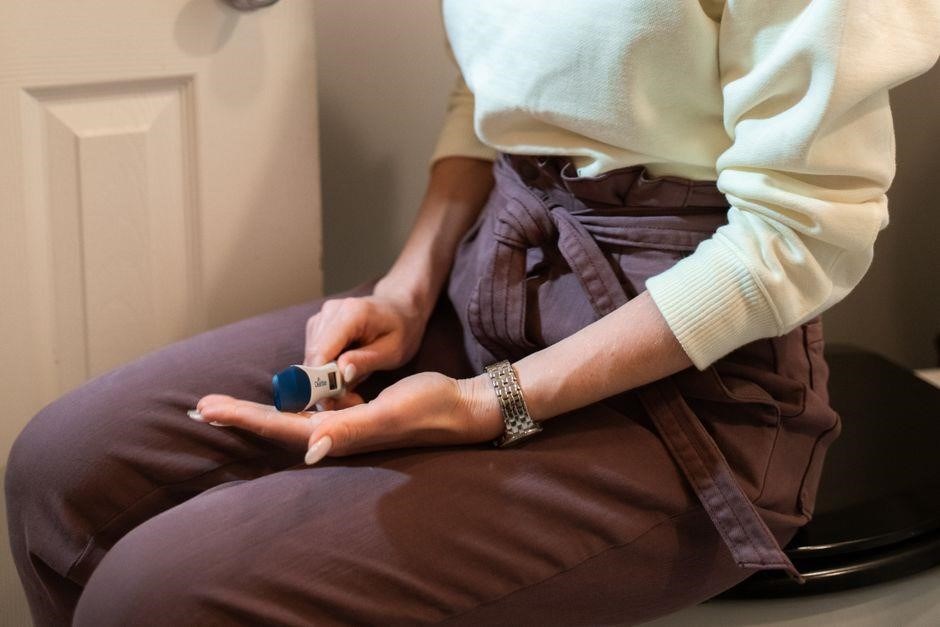
Choose a compatible medication‚ measure the prescribed dose with a calibrated syringe‚ and fill the nebulizer reservoir. Avoid overfilling; leave a 5 mm gap. Secure the reservoir cap‚ connect the tubing‚ and verify the seal before starting the Vios unit. Keep the reservoir sealed until the nebulizer is ready.
Selecting Appropriate Medication
Choosing the right drug for the Vios nebulizer is essential for safe and effective therapy. The Vios system is compatible with a wide range of aerosolizable medications‚ including bronchodilators‚ corticosteroids‚ mucolytics‚ and certain antibiotics. Before starting treatment‚ confirm that the medication is approved for nebulization and that its formulation meets the Vios specifications; Medications intended for inhalation should be free of particulate matter and have a viscosity that allows efficient aerosol generation; solutions containing high concentrations of excipients or insoluble particles can clog the nebulizer chamber or reduce drug output. Begin by reviewing the prescribing information or the medication’s package insert for nebulization instructions‚ recommended dosage‚ and concentration limits. Many drugs are supplied in pre‑filled vials or syringes; if the medication is available as a dry powder‚ it must be reconstituted with sterile water or the manufacturer‑specified diluent before loading into the Vios reservoir. Use a clean‚ calibrated syringe to measure the exact volume required for the session‚ typically ranging from 2 mL to 5 mL depending on the drug and patient age. Overfilling the reservoir can cause leakage and aerosol loss‚ while underfilling may result in insufficient drug delivery. Temperature control is also critical: store medications at the temperature recommended by the manufacturer‚ usually between 2 °C and 8 °C for refrigerated products. Avoid exposing the drug to extreme heat or direct sunlight‚ as this can degrade active ingredients and alter aerosol characteristics. When preparing the medication‚ perform the procedure in a clean‚ well‑ventilated area to prevent contamination. Wear disposable gloves if the medication is sensitive to skin contact or if the patient has a known allergy. After measuring‚ transfer the medication into the Vios reservoir using a sterile technique. If the medication requires dilution‚ add the appropriate volume of diluent before or after the drug‚ depending on the specific instructions. Some medications benefit from pre‑dilution to improve aerosolization‚ while others are nebulized directly from the vial. Once the reservoir is filled‚ secure the cap tightly to avoid leaks. Check for any visible particles or discoloration; if the solution appears cloudy or contains debris‚ discard it and prepare a fresh dose. Finally‚ label the reservoir with the medication name‚ concentration‚ and date of preparation. This practice helps prevent medication errors‚ especially in settings where multiple drugs are used. By carefully selecting and preparing the medication according to these guidelines‚ users can maximize the therapeutic benefits of the Vios nebulizer while minimizing risks.
Measuring and Loading the Dose
Accurate dose measurement is critical for effective nebulization. Begin by selecting a calibrated‚ sterile syringe that matches the prescribed volume—commonly 2 mL‚ 3 mL‚ or 5 mL. Use a syringe with a clear‚ graduated scale to read the volume to the nearest 0.1 mL. If the medication is supplied in a vial‚ first remove the cap and wipe the rubber seal with an alcohol swab to eliminate contaminants. Then‚ attach the syringe to the vial’s Luer lock‚ gently aspirate the required volume‚ and check for bubbles. Discard any air bubbles by tapping the syringe and gently pushing the plunger until the fluid is free of bubbles. Transfer the medication to the Vios reservoir by carefully inverting the syringe and allowing the liquid to flow into the chamber. Do not overfill; the reservoir’s maximum volume is indicated on its side. Overfilling can cause leakage and reduce aerosol output. After loading‚ close the reservoir cap securely. Verify that the cap is snug but not overtightened to avoid damaging the seal. If the medication requires dilution‚ add the diluent in a separate syringe‚ measure the exact volume‚ and mix gently by swirling the reservoir. Avoid vigorous shaking‚ which can introduce bubbles. Label the reservoir with the medication name‚ concentration‚ and preparation date using a waterproof marker. Store the loaded reservoir in a cool‚ dry place until use. When ready to start‚ attach the reservoir to the Vios unit‚ ensuring a tight seal. The device’s built‑in indicator will confirm proper connection. Following these steps ensures consistent drug delivery and minimizes waste. Use a timer to track time.

Operating the Device
Power on the Vios by pressing the green button until the LED indicator lights. The device will automatically perform a self‑check‚ displaying a green checkmark when ready. Attach the pre‑filled reservoir to the unit’s inlet; ensure the rubber gasket is seated properly to avoid leaks. Connect the chosen mouthpiece or mask to the outlet‚ aligning the connector pins. Once connected‚ the device will begin aerosol generation within 30 seconds. Adjust the flow rate by sliding the dial to the desired setting; the Vios offers low‚ medium‚ and high outputs‚ each labeled on the front panel. For patients with sensitive airways‚ select the low setting to reduce turbulence. The unit’s digital display will show the remaining treatment time and the volume of medication delivered. When the prescribed dose is complete‚ the device will automatically shut off and the LED will flash amber. At this point‚ carefully detach the reservoir and mouthpiece‚ and discard any residual medication according to safety guidelines. Finally‚ press the power button again to turn off the unit. Store the Vios in a dry‚ cool place‚ and keep the power cord coiled to prevent damage. Regular use of the device follows these steps‚ ensuring consistent‚ effective aerosol delivery for optimal outcomes. If battery‑operated‚ insert the rechargeable pack before powering on. The device indicates battery level; replace or recharge when low. For continuous use‚ connect the AC adapter. Monitor patient comfort; pause if coughing or discomfort. The Vios’s ergonomic design allows for easy handling. The device’s quiet operation enhances comfort during sessions. It also features a built‑in timer for precise treatment duration. Use the timer to schedule sessions. Adjustable airflow settings allow clinicians to tailor therapy to individual needs for optimal.

Cleaning and Maintenance
After each use‚ disassemble the Vios unit. Rinse the reservoir‚ mouthpiece‚ and tubing with lukewarm water. Apply a mild detergent‚ scrub gently‚ and rinse thoroughly. Dry parts with a lint‑free cloth. Reassemble after all components are dry to prevent mold growth for safety.
Daily Cleaning Routine
After each use‚ disassemble the Vios unit and separate the reservoir‚ mouthpiece‚ and tubing. Rinse every component with lukewarm tap water‚ ensuring no detergent residue remains. Apply a mild‚ fragrance‑free soap to a soft brush and gently scrub the interior of the reservoir‚ the mouthpiece‚ and the tubing. Rinse thoroughly until the water runs clear; Inspect each part for cracks‚ mineral deposits‚ or debris; discard any damaged component. Dry all parts with a lint‑free cloth or allow them to air‑dry completely in a clean‚ dust‑free area. Reassemble the unit only after every piece is fully dry to prevent mold growth. Store the cleaned Vios in a dry‚ covered location to protect it from environmental contaminants. Repeat this routine daily to maintain optimal device performance‚ reduce bacterial colonization‚ and ensure consistent medication delivery. If you notice any discoloration‚ odor‚ or malfunction‚ discontinue use and contact customer support for further guidance. Consistent daily cleaning not only extends the life of the nebulizer but also safeguards the patient’s respiratory health by preventing infections and ensuring the aerosol remains free of contaminants.
Periodic Deep Cleaning
Perform a thorough deep clean of the Vios nebulizer at least once a month‚ or more frequently if the device is used heavily. Begin by disassembling all removable parts: the reservoir‚ mouthpiece‚ tubing‚ and any detachable filters. Soak the reservoir in a 1% sodium hypochlorite solution for 15 minutes‚ then rinse thoroughly with distilled water to remove residual chlorine. For the tubing‚ immerse it in a 70% isopropyl alcohol solution for 10 minutes‚ followed by a distilled‑water rinse. The mouthpiece should be cleaned with a mild detergent and a soft brush‚ then rinsed and soaked in a 0.5% hydrogen peroxide solution for 5 minutes to eliminate biofilm. After soaking‚ rinse all components with distilled water until the rinse runs clear. Inspect each part for mineral buildup or wear; replace any component showing cracks or significant deposits. Dry all parts on a clean‚ lint‑free surface‚ ensuring no moisture remains. Reassemble the unit only after every component is completely dry. Store the cleaned nebulizer in a sealed container to protect it from dust; This deep‑clean cycle reduces bacterial contamination‚ preserves device integrity‚ and ensures consistent medication delivery. Before reassembly‚ verify that the tubing’s inner diameter is free from obstructions by passing a small‚ sterile gauze through it. Additionally‚ check the electronic control panel for any loose connections or signs of wear; if any issues are detected‚ consult the manufacturer’s service guidelines. Finally‚ perform a test run with a saline solution to confirm that the aerosol output is smooth and the device’s alarms are functioning properly. Document each cleaning session in a log‚ noting the date‚ any observations‚ and the person who performed the cleaning. This record‑keeping aids in compliance with regulatory standards and facilitates troubleshooting if performance issues arise in the future. When storing the device‚ keep it in a cool‚ dry environment away from direct sunlight to prevent material fatigue. By adhering to this periodic deep‑cleaning protocol‚ users can maintain optimal hygiene standards‚ extend the lifespan of the Vios nebulizer‚ and provide patients with reliable‚ high‑quality aerosol therapy. Consistent maintenance also supports clinical audits and helps meet health‑care regulatory requirements for device cleanliness and infection control.

Troubleshooting
When the Vios nebulizer does not operate as expected‚ follow these systematic checks. First‚ verify that the power supply is connected and the battery is charged or the unit is plugged into a functioning outlet. Inspect the power cord for visible damage; replace if frayed or broken. If the device powers on but the aerosol output is weak or intermittent‚ examine the reservoir for correct filling and ensure the medication is not too viscous. A high‑viscosity solution can clog the nebulizer head; dilute if necessary. Next‚ confirm that the tubing is properly seated on both the nebulizer head and the mouthpiece or mask. A loose connection can cause leaks and reduce output. Check the mouthpiece or mask for blockages or debris; clean or replace as needed. Reset the unit by turning it off for 30 seconds and then restarting. If the nebulizer fails to start after multiple attempts‚ perform a deep clean of all removable parts to eliminate potential blockages. Ensure that the reservoir‚ tubing‚ and nebulizer head are free of mineral deposits. After cleaning‚ reassemble and test with a saline solution. If the problem remains‚ inspect the internal electronics for loose solder joints or damaged components; professional servicing may be required. If all troubleshooting steps fail‚ contact the manufacturer’s technical support for further assistance or to arrange a service visit. If the device emits a low‑battery warning‚ replace the battery with a fresh one. For alarms‚ check the internal pressure sensor; a faulty sensor may trigger false alerts. Ensure the reservoir cap is sealed tightly to prevent air leaks. If the nebulizer continues to malfunction‚ consider resetting the device to settings by holding the power button for 10 seconds. If the nebulizer still does not function‚ check the ventilation port for obstructions; a blocked port can reduce airflow. Verify that the medication bottle is not expired and that the solution is at room temperature. Finally‚ review firmware version and update if a newer version is available on the manufacturer’s website. If the device continues to fail‚ contact customer support for a diagnostic code. Provide the serial number and error message to expedite the troubleshooting process. Thanks. Help!

Safety Precautions
Safety precautions for the Vios nebulizer are essential to ensure effective therapy and prevent injury. Always read the user manual before use. Keep the device away from children and pets. Do not expose the unit to extreme temperatures or direct sunlight. Ensure the power cord is free of tangles and not under a rug or carpet; Use only the supplied power adapter or a compatible charger with the correct voltage.
When filling the reservoir‚ use a clean syringe or bottle with a fine nozzle to avoid contamination. Do not use expired medications or solutions containing alcohol unless the manufacturer specifies it is safe. If the device makes a high noise or emits a foul odor‚ stop use immediately and inspect for blockages or damage. Never attempt to open internal components unless instructed by qualified service personnel. Keep the nebulizer in a dry place to prevent moisture buildup. Store the device with the cap on to protect from dust.
When cleaning‚ use only approved solutions and follow the recommended procedure. Do not use harsh chemicals or abrasive tools that could damage the surface or seals. If you notice cracks or leaks‚ discontinue use and contact the manufacturer. Do not use the nebulizer if you have a severe allergic reaction to the medication or device components. Always wear a mask if you are in an environment to prevent contamination.
If you experience dizziness‚ shortness of breath‚ or any adverse symptoms during therapy‚ seek medical help immediately. Follow all manufacturer guidelines and consult healthcare professionals for personalized advice. Adhering to these precautions helps maintain device integrity and ensures safe‚ effective treatment for respiratory conditions.

When to Seek Medical Help
While the Vios nebulizer is designed for safe‚ routine use‚ certain signs and symptoms warrant immediate medical attention. If you experience sudden chest tightness‚ wheezing that does not improve after a full nebulization session‚ or a rapid increase in breathing difficulty‚ contact a healthcare professional right away. These could indicate an acute asthma attack or severe bronchospasm that requires urgent intervention.
Any episode of dizziness‚ fainting‚ or feeling light‑headed during or after nebulization should prompt a call to your doctor or emergency services. These symptoms may signal an adverse reaction to the medication or an underlying cardiovascular issue. Likewise‚ if you notice a persistent or worsening cough that produces blood or thick‚ green sputum‚ seek medical advice promptly‚ as this may reflect infection or airway irritation.
Allergic reactions to the nebulized medication or to components of the Vios system—such as hives‚ swelling of the face or throat‚ or difficulty swallowing—are medical emergencies. If these occur‚ stop using the device immediately‚ apply a cold compress to the affected area‚ and seek emergency care. Severe reactions can progress rapidly to anaphylaxis‚ which is life‑threatening.
In the event of device malfunction—such as a sudden loss of power‚ a loud grinding noise‚ or visible damage to the nebulizer—do not continue therapy. Instead‚ discontinue use‚ inspect the unit for safety‚ and contact the manufacturer for guidance or a replacement. Continuing to use a damaged device can lead to ineffective treatment or injury.
Finally‚ if you have a pre‑existing condition—such as chronic obstructive pulmonary disease (COPD)‚ heart disease‚ or a recent respiratory infection—and you notice a significant change in your breathing pattern‚ symptoms‚ or overall health while using the Vios‚ consult your healthcare provider. Early intervention can prevent complications and ensure that your treatment plan remains appropriate for your evolving medical needs.