
Ben Wa balls, coupled with manual crank systems, represent a novel approach to pelvic floor muscle training, blending ancient techniques with modern mechanical assistance for enhanced control.
What are Ben Wa Balls?
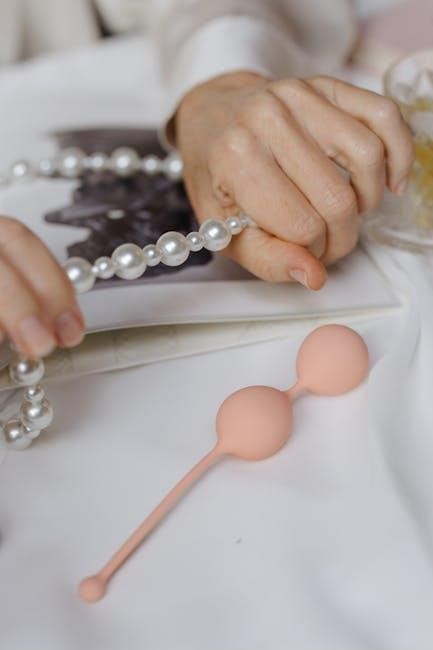
Ben Wa balls, originating from ancient Chinese practices, are smooth, weighted spheres inserted into the vagina to strengthen pelvic floor muscles. Traditionally, women would retain these balls, performing exercises to control them, enhancing muscle tone and awareness. Modern iterations often include a string for easy retrieval.
However, the integration of a manual crank mechanism introduces a dynamic element. This system connects to the Ben Wa balls, allowing for controlled, assisted movement. This “squirmy” action, driven by the crank, provides a unique stimulus, potentially intensifying the workout and offering a different sensation compared to traditional methods. The crank allows for varied resistance and patterns, catering to individual needs and fitness levels.
The History of Ben Wa Balls

Ben Wa balls boast a rich history rooted in ancient Chinese imperial courts, dating back centuries. Initially crafted from jade or other precious stones, they were used by concubines to maintain physical fitness and enhance sexual wellbeing. The practice emphasized strengthening pelvic floor muscles for improved control and sensation.
The introduction of the manual crank represents a distinctly modern innovation. While the core principle of weighted resistance remains, the crank adds a mechanical dimension absent in traditional use. This evolution reflects a broader trend of integrating technology into ancient wellness practices, aiming for more targeted and customizable exercise routines. The “squirmy” motion provided by the crank is a departure from static retention, offering a novel approach to pelvic floor strengthening.

Understanding Manual Crank Mechanisms
Manual crank mechanisms utilize rotational force to create dynamic resistance, differing from static weights; this allows for varied intensity and controlled “squirmy” movements.
How Manual Cranks Work
Manual cranks operate on a simple principle: rotational input translates into controlled resistance. A hand-turned crank connects to a geared system, adjusting tension applied to the Ben Wa balls. This allows users to modulate the intensity of pelvic floor exercises, moving beyond static weights.
The crank’s design facilitates a “squirmy” sensation, encouraging nuanced muscle engagement. Different gear ratios provide varying levels of resistance, catering to individual strength and training goals. The user’s turning speed and force directly influence the internal stimulation, offering a personalized experience. This dynamic approach contrasts with traditional methods, promoting deeper muscle activation and improved control.
Materials Used in Manual Crank Construction
Durable materials are crucial for constructing reliable manual cranks used with Ben Wa balls. High-grade stainless steel forms the core of many cranks, ensuring longevity and resistance to corrosion – vital for intimate applications. Engineering-grade plastics, like ABS or polycarbonate, are often used for the crank handle and housing, providing a comfortable grip and impact resistance.
Gears are frequently crafted from hardened steel or brass, guaranteeing smooth operation and minimizing wear. Some manufacturers incorporate aluminum alloys to reduce weight without sacrificing strength. The choice of materials prioritizes biocompatibility, ensuring safety and preventing irritation during prolonged use. Quality construction is paramount for consistent performance and user well-being.

Ben Wa Balls with Manual Crank: Design & Functionality
These devices integrate a hand-operated crank, allowing users to precisely control the internal movement of Ben Wa balls, enhancing pelvic floor exercises.
The Integration of Crank Mechanisms with Ben Wa Balls
The synergy between Ben Wa balls and manual crank mechanisms offers a refined method for pelvic floor muscle engagement. Traditionally, Ben Wa balls rely on natural pelvic movements for internal exercise. However, integrating a crank introduces controlled, adjustable motion. This allows for customized resistance and targeted muscle contractions, surpassing the limitations of solely relying on natural muscle activity.
The crank’s design typically features a geared system, translating rotational force into precise internal ball movement. This controlled action enhances proprioception – the awareness of your body’s position – and facilitates deeper muscle activation. Users can modulate the crank’s speed and intensity, progressively challenging their pelvic floor muscles. This innovative combination provides a more dynamic and effective workout compared to conventional methods, potentially leading to improved muscle tone and control.
Benefits of Using a Manual Crank with Ben Wa Balls
Employing a manual crank alongside Ben Wa balls unlocks several advantages. The primary benefit lies in the enhanced control over exercise intensity and duration. Unlike relying solely on natural movements, a crank allows for precise modulation of internal stimulation, catering to individual needs and fitness levels. This controlled action promotes deeper pelvic floor muscle engagement, potentially improving bladder control and sexual function.
Furthermore, the crank mechanism fosters increased proprioception, heightening body awareness and improving muscle coordination. Progressive resistance, adjustable via the crank, enables gradual strengthening, minimizing the risk of strain. This targeted approach can be particularly beneficial for postpartum recovery or addressing pelvic floor dysfunction, offering a more effective and personalized exercise experience.

Safety Considerations & Proper Usage
Prioritize hygiene and gradual progression when using Ben Wa balls with a manual crank. Start slowly, listen to your body, and discontinue use if discomfort arises.
Potential Risks and How to Avoid Them
Utilizing Ben Wa balls with a manual crank presents potential risks if not approached cautiously. Initial discomfort or muscle fatigue is common, but persistent pain signals overexertion – immediately cease use. Improper cleaning can lead to bacterial infections; therefore, thorough sanitation after each session is crucial.
Avoid using excessively heavy balls or high crank resistance prematurely, as this could strain pelvic floor muscles. Individuals with pre-existing pelvic conditions, such as prolapse or pain syndromes, should consult a healthcare professional before incorporating this method.
Always use water-based lubricant to minimize friction and ensure comfortable movement. Regularly inspect the crank mechanism for any malfunctions or damage. Discontinue use if any component appears compromised. Prioritizing mindful practice and respecting your body’s limits will significantly mitigate potential risks.
Cleaning and Maintenance of Ben Wa Balls & Crank
Maintaining hygiene is paramount when using Ben Wa balls and a manual crank. After each use, thoroughly wash the balls with warm water and mild, antibacterial soap. Ensure complete drying before storage to prevent bacterial growth. For silicone balls, a specialized silicone cleaner can be employed.
The manual crank requires regular inspection. Wipe down the metallic components with a damp cloth, avoiding harsh chemicals that could cause corrosion. Lubricate moving parts periodically with a silicone-based lubricant to ensure smooth operation.
Store both the balls and crank in a clean, dry environment, separate from other items. Regularly check for any signs of wear and tear, replacing components as needed. Proper care extends the lifespan and ensures safe, hygienic use.

Choosing the Right Ben Wa Ball & Crank Combination
Selecting the ideal combination involves considering material, size, and resistance levels of both the Ben Wa balls and the manual crank for optimal pelvic floor engagement.
Factors to Consider: Size, Material, and Resistance
When selecting a Ben Wa ball and manual crank system, several crucial factors demand careful consideration. Size is paramount; beginners typically benefit from smaller balls, gradually increasing as strength and comfort improve. Material choices range from hypoallergenic silicone to stainless steel, impacting sensation and hygiene.
Resistance, particularly with a manual crank, is equally vital. Adjustable cranks allow progressive training, starting with minimal resistance and incrementally increasing it to challenge pelvic floor muscles effectively. The crank’s build quality and ergonomic design are also important for comfortable and controlled operation. Prioritize non-porous materials for easy cleaning and maintenance, ensuring long-term hygiene and usability. Ultimately, the best combination aligns with individual fitness levels and personal preferences.
Where to Purchase Ben Wa Balls and Manual Cranks
Finding Ben Wa balls and compatible manual cranks requires navigating a diverse marketplace. Online retailers specializing in intimate wellness products offer a broad selection, often with detailed product descriptions and customer reviews. Major e-commerce platforms also carry these items, but verifying seller reputation is crucial.
Specialty adult stores, both brick-and-mortar and online, provide expert guidance and discreet purchasing options. Medical supply stores may also stock Ben Wa balls, particularly those recommended by healthcare professionals. When purchasing, prioritize reputable brands known for quality materials and safety standards. Always check return policies and ensure the retailer offers secure payment processing for a confident shopping experience.
Advanced Techniques & Exercises
Progressive training with the crank involves gradually increasing resistance and duration, while incorporating Ben Wa balls into a comprehensive fitness routine for optimal results.
Progressive Training with Crank Resistance
Initiating training should begin with minimal crank resistance, focusing on establishing proper pelvic floor muscle engagement and coordination. Gradually increase the crank’s tension over weeks, challenging the muscles without causing discomfort. Short, frequent sessions—perhaps 5-10 minutes daily—are more effective than infrequent, lengthy workouts.
Introduce variations by altering the speed of the crank rotation, incorporating pauses at peak contraction, and experimenting with different Ben Wa ball weights. Monitor your body’s response closely, adjusting the resistance as needed. Consistency is key; aim for regular practice to build strength and endurance. Remember to prioritize controlled movements over speed, ensuring proper form throughout each exercise to maximize benefits and prevent injury.
Incorporating Ben Wa Balls into a Fitness Routine

Seamlessly integrate Ben Wa ball exercises with a broader fitness regimen by combining them with core strengthening workouts like Pilates or yoga. Performing pelvic floor contractions during squats, lunges, or bridges enhances muscle activation and stability. Consider incorporating the crank mechanism during low-impact cardio, such as walking or stationary cycling, for a subtle yet effective workout.
Prioritize mindful movement, focusing on coordinating breath with muscle contractions. Avoid using Ben Wa balls during high-intensity activities that require explosive movements. Listen to your body and adjust the intensity based on your fitness level. Remember, consistency and proper form are crucial for achieving optimal results and preventing strain.

Troubleshooting Common Issues
Addressing discomfort or crank malfunctions requires careful inspection; ensure proper lubrication and alignment. If pain persists, discontinue use and consult a healthcare professional immediately.
Addressing Crank Malfunctions
If the manual crank experiences issues, begin by checking for obstructions that might impede smooth rotation. Ensure all components are securely fastened, as loose parts can cause erratic function or complete stoppage. Lubrication is key; apply a silicone-based lubricant to the crank’s moving parts to reduce friction and maintain fluidity;
Inspect the gear system for any signs of wear or damage. Stripped gears or broken teeth will necessitate replacement. If the crank handle feels excessively stiff, it could indicate internal resistance or a binding mechanism. Avoid forcing the crank, as this may worsen the problem.
For electronic cranks, verify the power source and check for any blown fuses. If the issue persists, professional repair or replacement may be required. Regularly cleaning the crank mechanism will also prevent build-up and ensure optimal performance.
Dealing with Discomfort or Pain
If discomfort arises during use, immediately cease activity. Mild initial sensations are normal as muscles adjust, but sharp or persistent pain signals a problem. Begin with the lowest resistance setting on the manual crank and gradually increase it as your pelvic floor strengthens. Ensure proper lubrication of both the Ben Wa balls and the crank mechanism to minimize friction.
Listen to your body; pushing through pain can lead to injury. If discomfort continues, consult a healthcare professional specializing in pelvic floor health. They can assess your technique and rule out any underlying medical conditions.
Proper sizing is crucial; ill-fitting Ben Wa balls can cause irritation. Discontinue use if you experience bruising, swelling, or prolonged soreness. Prioritize gentle, controlled movements over aggressive force.

The Future of Ben Wa Ball Technology
Innovations may include smart cranks with biofeedback, personalized resistance adjustments, and integrated apps tracking progress, enhancing pelvic floor training effectiveness and user experience.
Potential Innovations in Crank Mechanisms
Future crank designs could incorporate variable resistance technology, allowing users to progressively increase the challenge as their pelvic floor muscles strengthen. Integrating digital sensors within the crank mechanism could provide real-time feedback on force applied and range of motion, displayed via a connected mobile application.
Furthermore, exploring materials like shape-memory alloys could enable self-adjusting resistance based on individual user needs. Biofeedback integration, utilizing EMG sensors, would offer personalized training guidance. Miniaturization and silent operation are also key areas for improvement, enhancing discretion and comfort. Wireless charging and ergonomic handle designs will further elevate the user experience, making pelvic floor exercise more accessible and effective.
Emerging Trends in Pelvic Floor Muscle Training
A growing emphasis on preventative pelvic health is driving demand for accessible and discreet training tools like Ben Wa balls with manual cranks. Personalized fitness routines, tailored to individual needs and goals, are gaining traction, with technology playing a crucial role in assessment and progress tracking.
The integration of biofeedback and virtual reality offers immersive and engaging exercise experiences. There’s increasing recognition of the benefits of pelvic floor training for both women and men, expanding the target market. Holistic approaches, combining pelvic floor exercises with mindfulness and lifestyle adjustments, are becoming more popular. Expect to see more research validating the efficacy of these combined methods for improved overall well-being.