Article Plan: AC Joint Exercises PDF
This PDF details a rehabilitation plan, encompassing post-surgical protocols and non-operative sprain exercises, focusing on restoring AC joint function and strength․
Acromioclavicular (AC) joint injuries are common, ranging from sprains to complete reconstructions, often requiring a structured rehabilitation program․ This guide provides a comprehensive overview of exercises designed to restore shoulder function post-injury or surgery․
Rehabilitation is crucial, emphasizing pain management and progressive strengthening․ Initial phases prioritize protecting the repair – typically with sling immobilization for around four weeks – alongside gentle mobility exercises for the hand and elbow․
Later stages introduce isometric exercises, followed by active and passive range of motion drills utilizing tools like wands and pulleys․ Individualized protocols consider factors like injury chronicity, concurrent procedures (SLAP repair, distal clavicle excision), and patient age․

Understanding the Acromioclavicular (AC) Joint
The AC joint connects the acromion (part of the scapula) and the clavicle, providing crucial shoulder stability and movement․ Injuries disrupt this connection, causing pain and limited function․ Rehabilitation focuses on restoring this stability through targeted exercises․
Understanding the joint’s anatomy is key to effective exercise selection․ Post-surgical reconstruction, like LARS ligament stabilization, demands careful protection for the first eight weeks․
Rehabilitation protocols must be tailored, considering whether the injury is acute or chronic, and if other procedures were performed simultaneously․ A sensible balance between activity and rest is vital, guided by individual pain levels and tolerance․
2․1 Anatomy of the AC Joint
The acromioclavicular (AC) joint is a synovial joint formed by the articulation of the distal clavicle with the acromion process of the scapula․ This relatively small joint is stabilized by the AC and coracoclavicular ligaments․ These ligaments are crucial for resisting superior and posterior displacement of the clavicle․
Understanding this anatomy informs rehabilitation; exercises must address ligamentous healing and restore proper joint mechanics․ Post-operative protocols, particularly after LARS reconstruction, prioritize protecting these structures․
The scapular plane is also important, influencing exercise selection for internal and external rotation, ensuring optimal biomechanics and minimizing stress on the reconstructed joint․
2․2 Common AC Joint Injuries (Sprains & Reconstruction)
AC joint injuries commonly range from sprains (grades I-III) to complete ligamentous disruptions requiring reconstruction․ Sprains involve stretching or tearing of the AC and coracoclavicular ligaments, often from a fall onto the shoulder․ Reconstruction, like LARS ligament stabilization, addresses severe instability․
Rehabilitation differs significantly based on injury severity․ Non-operative sprain management focuses on pain control and restoring range of motion with exercises like elbow and wrist ROM․
Post-surgical reconstruction demands a more protracted protocol, initially prioritizing sling immobilization for 8 weeks, followed by gentle strengthening and progressive range of motion exercises․
Post-Surgical Rehabilitation: Initial Phase (Days 1-7)
The immediate post-operative period (days 1-7) centers on protecting the reconstruction and minimizing pain․ Strict sling immobilization is crucial for the first four weeks, even during sleep – utilizing a pillow for comfort is recommended․
Early exercises focus on maintaining mobility in areas not directly involved in the repair․ This includes gentle hand squeezing and gripping exercises to prevent stiffness․
Patients should be guided by their pain levels, balancing activity with rest, and avoiding any forceful movements that could stress the repaired ligaments․ Remember, fatigue is common initially․
3․1 Importance of Sling Immobilization (4 Weeks)
Consistent sling use for the initial four weeks is paramount to successful AC joint reconstruction recovery․ This period of immobilization shields the repair from disruptive forces, allowing the ligaments to heal effectively․
Even while sleeping, the sling must remain in place, potentially supplemented with a pillow under the shoulder and arm for enhanced comfort and support․
Premature removal or inconsistent wear significantly increases the risk of re-injury and compromises the surgical outcome․ Adherence to this protocol is non-negotiable, forming the foundation for subsequent rehabilitation phases․
3․2 Early Exercises: Hand & Elbow Mobility
Maintaining mobility in the hand and elbow is crucial, even during sling immobilization․ These early exercises prevent stiffness and swelling in the surrounding joints, preparing them for later, more demanding rehabilitation․
Focus on active and passive range of motion (ROM) exercises for both the elbow and wrist․ Simple activities like ball squeezes and gripping exercises are highly beneficial․
These movements should be performed gently, guided by pain levels, and never compromising the protected AC joint reconstruction․ Prioritize comfort and avoid any forceful stretching or stressing of the repair․
3․2․1 Ball Squeeze & Gripping Exercises
Ball squeeze exercises are initiated early in the rehabilitation process to maintain hand strength and prevent atrophy․ Use a soft ball or putty, squeezing it gently and holding for a few seconds, then releasing․ Repeat this 10-15 times, several times a day․
Gripping exercises involve making a fist and then extending the fingers fully․ This also helps maintain hand function and prepares for more complex movements․
These exercises should be pain-free and performed within a comfortable range of motion․ Remember to listen to your body and avoid overexertion, especially during the initial post-operative phase․
Phase 1 Exercises (10-14 Days Post-Op) ― Gentle Strengthening
Phase 1 focuses on gentle strengthening of the surrounding musculature without stressing the AC joint reconstruction․ Isometric exercises are key, engaging muscles without joint movement․
Specifically, flexion, abduction, extension, internal and external rotation isometrics are performed in the scapular plane․ Hold each contraction for 5-10 seconds, repeating 10-15 times․
These exercises aim to activate the muscles responsible for shoulder stability and initiate the recovery of strength․ Pain should be minimal; any increase in pain signals the need to reduce intensity or modify the exercise․
4․1 Isometric Exercises
Isometric exercises are foundational in early AC joint rehabilitation, initiating muscle activation without stressing the healing tissues․ These contractions involve engaging muscles against resistance without changing joint angles․
This phase prioritizes regaining neuromuscular control and building a base level of strength․ Focus will be on flexion, abduction, extension, and rotations – both internal and external – performed within the scapular plane․
Remember to maintain proper form and avoid holding your breath during each contraction․ Listen to your body and stop if you experience any sharp or increasing pain․
4․1․1 Flexion Isometrics
Flexion isometrics target the anterior shoulder muscles, crucial for forward arm movement․ To perform, gently attempt to raise your arm forward against an immovable resistance – like a wall or your own hand․
Maintain a slight bend in your elbow and hold the contraction for 5-10 seconds, repeating 10-15 times․ Focus on engaging the shoulder muscles without actually moving the joint․
Avoid any pain; if discomfort arises, reduce the intensity or modify the exercise․ This exercise helps rebuild strength and stability in a controlled manner, preparing for more dynamic movements later in rehabilitation․
4․1․2 Abduction Isometrics
Abduction isometrics strengthen the muscles responsible for lifting your arm away from the body․ Perform this exercise by attempting to move your arm outwards, resisting with your other hand or a stable object like a wall․
Maintain a slight bend in your elbow throughout the movement․ Hold the contraction for 5-10 seconds, completing 10-15 repetitions․
Focus on controlled muscle engagement, avoiding any actual joint movement or pain․ This isometric exercise is vital for stabilizing the AC joint and building foundational strength, preparing for more advanced abduction exercises in subsequent phases․
4․1․3 Extension Isometrics
Extension isometrics target the muscles that move your arm backward, crucial for overall shoulder stability․ To perform, attempt to move your arm backwards against resistance – use your other hand or a stable surface․
Keep a slight bend in your elbow during the exercise․ Hold the contraction firmly for 5-10 seconds, repeating 10-15 times․
Concentrate on engaging the correct muscles without allowing any actual movement at the AC joint․ This controlled resistance builds strength and prepares the shoulder for functional activities, contributing to a successful rehabilitation process․
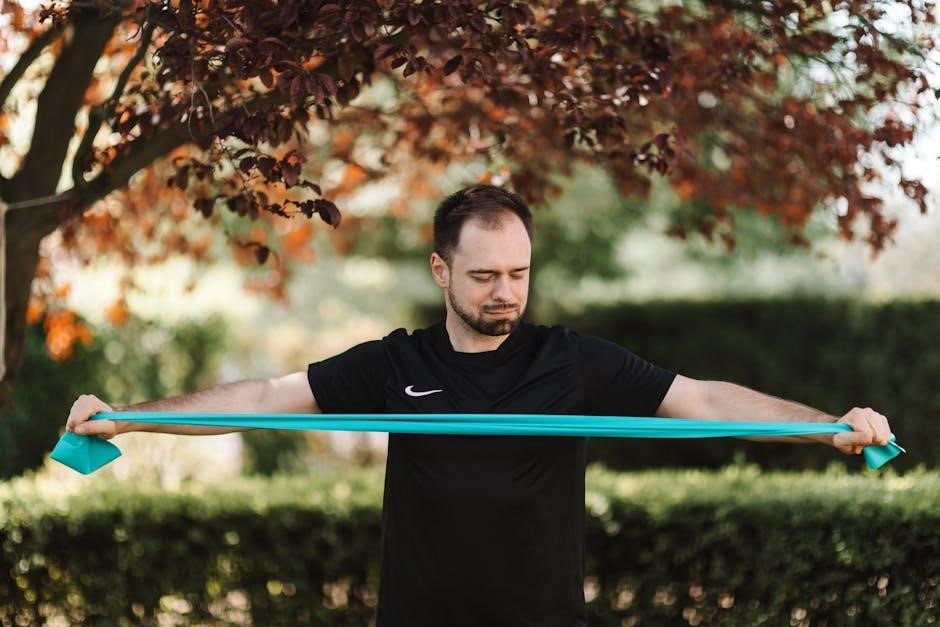
4․1․4 Internal & External Rotation Isometrics (Scapular Plane)
These isometrics strengthen the rotator cuff muscles, vital for AC joint stability and function․ Perform these in the scapular plane (approximately 30-45 degrees forward of the side)․
For external rotation, hold your elbow bent at 90 degrees and attempt to rotate your forearm outwards against resistance․ For internal rotation, do the opposite․
Maintain a firm contraction for 5-10 seconds, repeating 10-15 times for each rotation․ Avoid any actual joint movement; focus on muscle engagement․ This builds strength without stressing the reconstructed AC joint․
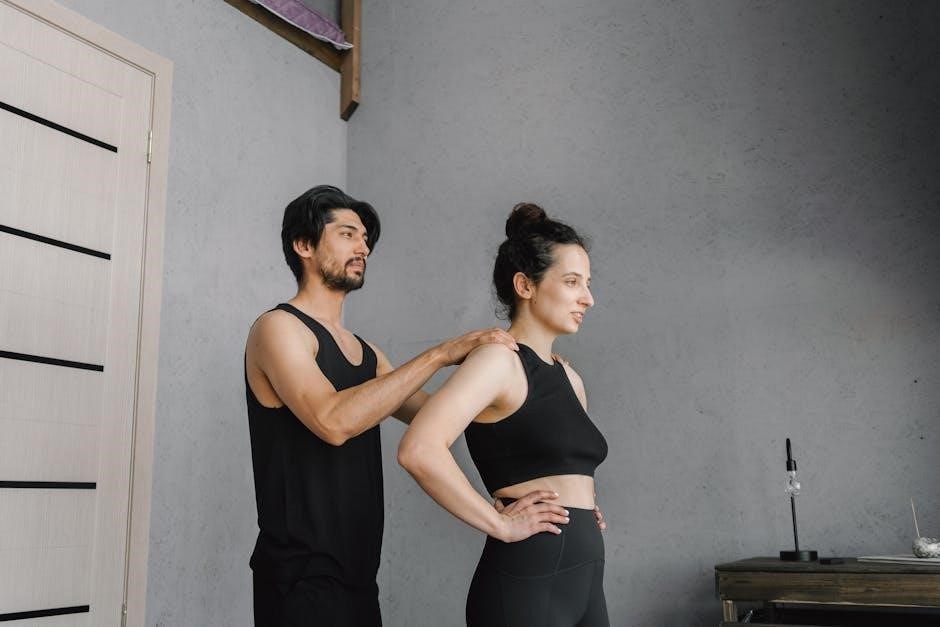
Phase 2 Progression Criteria & Exercises
Advancement to Phase 2 requires minimal pain and tenderness, alongside a clinically stable AC joint examination․ This phase focuses on restoring active and passive range of motion (ROM)․
Exercises include wand exercises, pulley exercises, towel stretches, and sleeper stretches – all aimed at improving shoulder flexibility․ Perform these gently, guided by pain levels․
Gradually increase the range of motion as tolerated․ Remember to balance activity with rest, avoiding forceful movements or positions that cause discomfort․ Consistent, controlled progression is key to successful rehabilitation․
5․1 Criteria for Advancing to Phase 2
Successful transition to Phase 2 hinges on specific clinical benchmarks․ Primarily, patients must demonstrate minimal pain and tenderness at the AC joint during examination․ Crucially, the AC joint needs to exhibit clinical stability – meaning no excessive movement or instability is detected during assessment․
These criteria ensure the reconstructed or injured joint can tolerate increased demands․ Progression should only occur when these conditions are met, preventing re-injury and promoting optimal healing․ Remember, individual progress varies, and a physician’s guidance is essential․
5․2 Active & Passive Range of Motion (ROM) Exercises
Phase 2 introduces exercises to regain shoulder mobility․ Key exercises include utilizing a wand, pulley system, towel stretches, and sleeper stretches․ Wand and pulley exercises assist with elevation and external rotation, while towel stretches improve internal rotation․ The sleeper stretch gently targets posterior capsule flexibility․
These exercises should be performed within a pain-free range, gradually increasing the distance and repetitions․ Active-assisted range of motion (AAROM) is encouraged, and passive ROM may be incorporated under the guidance of a physical therapist to restore full shoulder function․
5․2․1 Wand Exercises
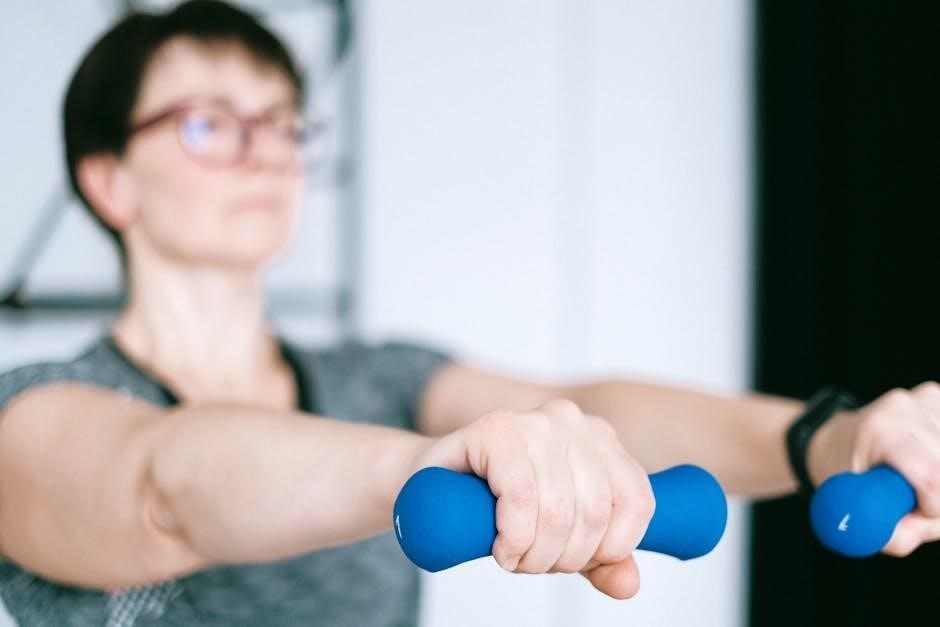
Wand exercises are crucial for restoring shoulder elevation and external rotation․ Holding a wand with both hands, patients perform forward flexion, abduction, and external rotation movements․ The unaffected arm assists the injured arm, providing gentle support and guidance․
Focus on maintaining proper posture and avoiding compensatory movements; Gradually increase the range of motion as tolerated, ensuring minimal pain․ These exercises improve scapular control and promote coordinated shoulder movement, contributing to overall AC joint rehabilitation․ Consistent practice is key to regaining functional shoulder mobility․
5․2․2 Pulley Exercises
Pulley exercises enhance shoulder range of motion, particularly elevation․ A pulley system is mounted to a doorframe, and the patient uses their arm to pull the handle upwards, assisting with forward flexion․
This exercise minimizes stress on the AC joint while promoting smooth, controlled movement․ Start with low resistance and gradually increase it as strength improves․ Focus on maintaining good posture and avoiding jerky motions․ Pulley exercises are beneficial for restoring overhead reach and functional arm positioning, aiding in daily activities and return to sport․
5․2․3 Towel Stretch
The towel stretch improves internal and external rotation, crucial for full shoulder mobility․ Holding a towel behind your back with one hand reaching over the shoulder and the other reaching up from below, gently pull the towel to stretch․
This exercise targets the posterior capsule and helps address stiffness․ Maintain a relaxed posture and avoid overstretching․ Progress by gradually decreasing the gap between your hands․ The towel stretch is a gentle yet effective way to restore range of motion and improve shoulder function, complementing other AC joint rehabilitation exercises․
5․2․4 Sleeper Stretch
The sleeper stretch specifically targets internal rotation, addressing common limitations post-AC joint reconstruction or injury․ Lie on your side with the affected arm bent at 90 degrees and elbow aligned with your shoulder․
Gently use your other hand to push the forearm down towards the bed, feeling a stretch in the back of your shoulder․ Avoid arching your back or lifting your shoulder off the surface․ This stretch should be performed cautiously, stopping if any pain arises․ It’s a key component in regaining full shoulder range of motion․
Considerations for Specific Cases

Rehabilitation must be tailored to individual patient factors․ Acute injuries require a more cautious approach than chronic ones․ Concomitant procedures, like SLAP repair or distal clavicle excision, significantly alter the protocol, demanding increased protection of the AC reconstruction for at least eight weeks․
Physiologic age also plays a crucial role; older patients may need slower progression․ Always prioritize pain levels and clinical stability of the AC joint when advancing exercises․ Communication with the surgeon is vital to address any concerns and ensure optimal healing․
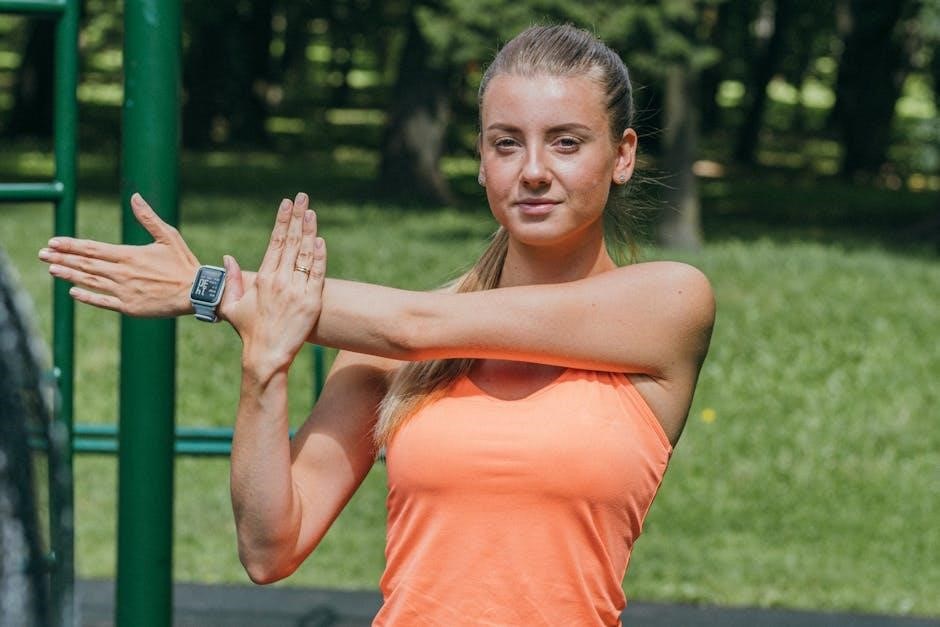
6․1 Acute vs․ Chronic AC Joint Injuries
Rehabilitation differs significantly based on injury timing․ Acute AC joint injuries necessitate initial sling immobilization for comfort and protection, typically four weeks, even during sleep with pillow support․ Early focus is on hand, elbow, and wrist range of motion – ball squeezes and gripping exercises are key․
Chronic injuries often present with less inflammation, allowing for earlier, gentle strengthening․ However, both require careful monitoring of pain and avoiding positions that stress the repair․ Progression must be guided by clinical examination findings and patient tolerance․
6․2 Impact of Concomitant Procedures (SLAP Repair, Distal Clavicle Excision)
Combined surgeries demand modified rehabilitation timelines․ Procedures like SLAP repair or distal clavicle excision significantly alter AC joint reconstruction protocols․ Reconstruction protection is crucial for the initial eight weeks, regardless․ These concurrent issues often necessitate a more conservative approach to range of motion and strengthening․
Progression criteria become stricter, prioritizing tissue healing․ Physiotherapists must carefully consider the combined limitations and tailor exercises accordingly, ensuring no undue stress is placed on any repaired structure․ Patient communication regarding pain levels is paramount․
6․3 Age & Rehabilitation Adjustments
Patient age profoundly influences recovery expectations and exercise progression․ Older individuals may exhibit slower healing rates and reduced tissue elasticity, requiring a more gradual approach․ Rehabilitation protocols must be adapted to accommodate decreased strength and range of motion․
Conversely, younger, more active patients may tolerate a slightly accelerated program, but still require careful monitoring․ Fatigue management is key, as older patients tire more easily․ Throughout all phases, pain levels dictate exercise intensity, irrespective of age․ Individualized plans are essential for optimal outcomes․