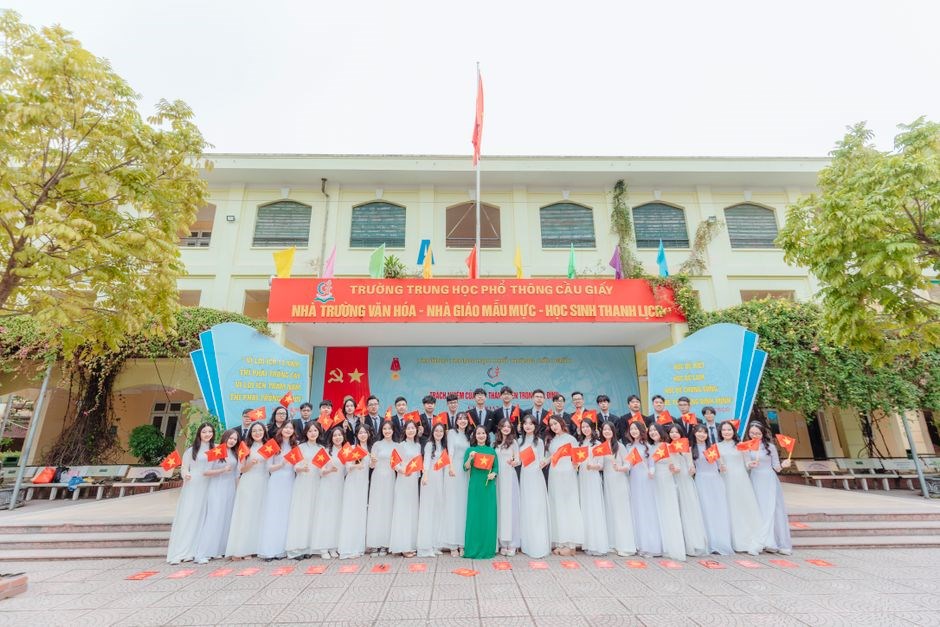
Manual high school photos capture students in classrooms, workshops, and sports. Getty Images hosts 1,265 images, featuring carpentry, basketball, and graduation moments. Yearbook archives and online repositories preserve these memories, offering high‑resolution views of school life 2026 2026 !.
Definition and Scope
Manual high school photos capture students, faculty, and extracurricular activities within educational institutions that emphasize hands‑on learning. These images range from classroom snapshots to workshop projects, sports events, and graduation ceremonies. They serve as both historical documentation and marketing material for schools, alumni networks, and prospective families.
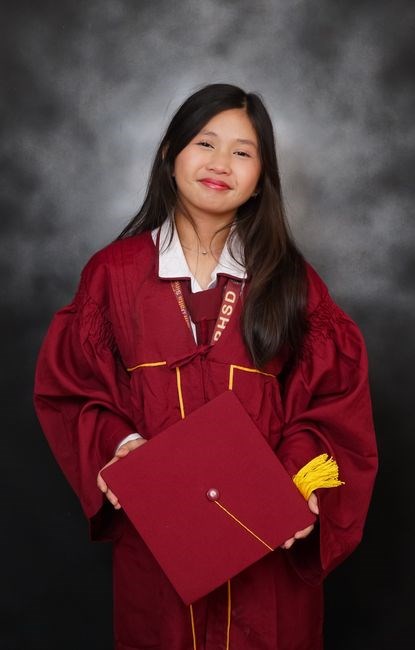
In the United States, Getty Images hosts over 1,265 high‑resolution photos of manual high schools, featuring carpentry workshops, basketball teams, and graduation ceremonies. Photos are tagged with location, activity, and year for easy retrieval by yearbook publishers and reunion organizers. and more fun again!
Beyond commercial stock sites, many school districts maintain digital archives and online yearbook repositories. These platforms provide free access to alumni, enabling them to locate classmates, view past events, and share memories on social media. The scope of manual high school photos extends from student portraits to group shots, encompassing both academic and athletic contexts.
Because manual high schools prioritize practical skills, the imagery frequently highlights tools, machinery, and hands‑on projects. This visual emphasis differentiates manual high school photos from traditional academic photography, offering a unique glimpse into vocational training environments and the daily life of students pursuing trades. Students thrive! and more!!
Common Settings and Subjects
Manual high school photography showcases a variety of settings that reflect the hands‑on nature of vocational education. The most frequent locations include:
- Workshop and Lab Spaces: Photographs often capture students operating power tools, assembling furniture, or working with metal and wood. These images highlight the practical skills taught in manual high schools.
- Sports Fields and Courts: Basketball, soccer, and track teams are common subjects, with coaches and players in action. Getty Images lists dozens of images featuring basketball coaches and student athletes.
- Graduation Ceremonies: The moment students receive diplomas is a staple, with photos of caps, gowns, and proud families.
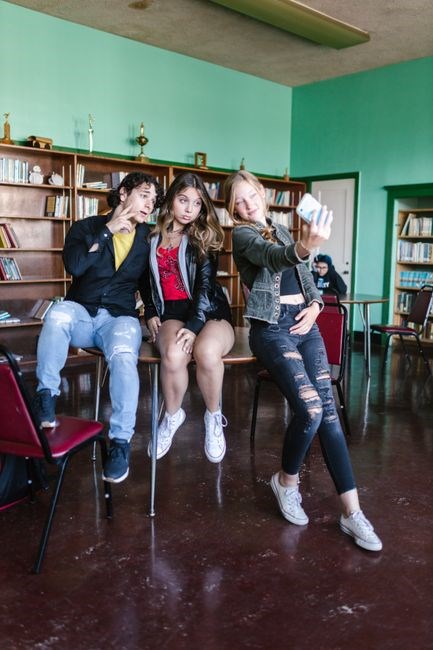
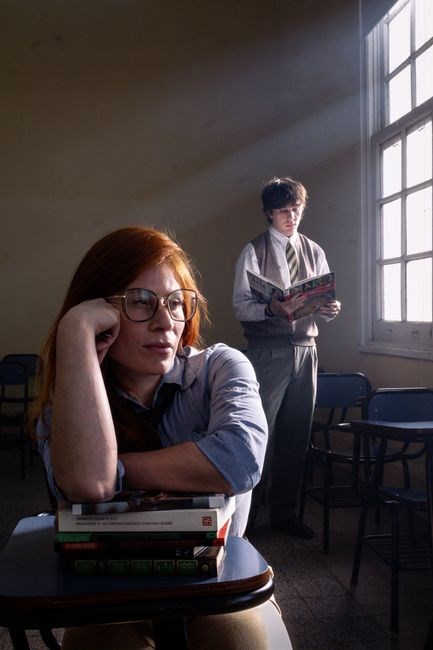
- Classroom and Lecture Settings: While less common, some images show students in traditional classroom environments, often with a focus on project work.
- Community and Reunion Events: Yearbook archives and online repositories provide photos of alumni gatherings, allowing former students to reconnect.
Typical subjects include individual student portraits, group shots of class sections, and candid moments of teamwork. These images serve both as personal keepsakes as promotional material for schools, The visual narrative emphasizes skill development, teamwork, and school pride, reinforcing the value of manual education in today’s job market again!
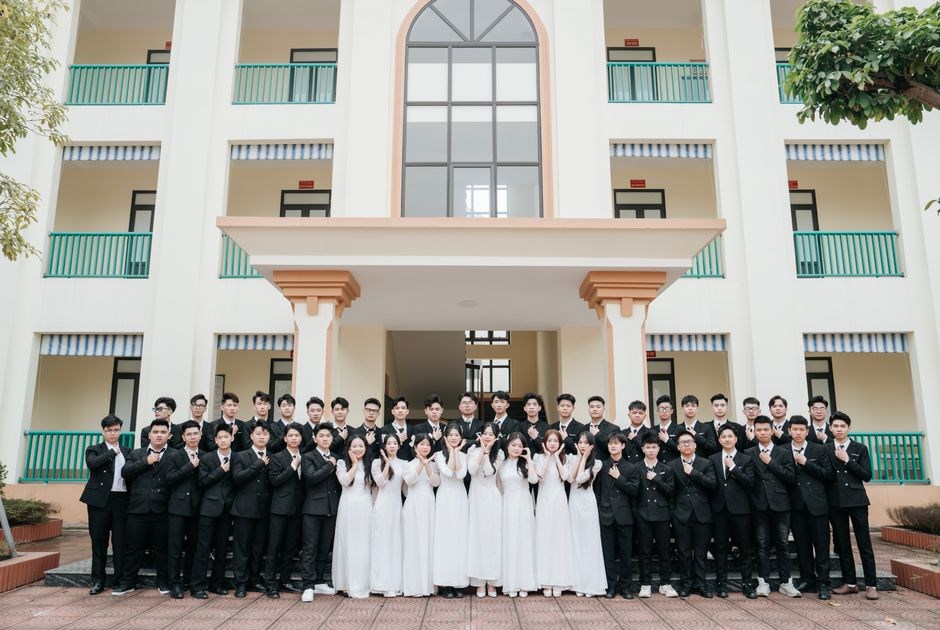
Historical Context of Manual High School Photography
Early manual high schools used film cameras to document student workshops. Over decades, images transitioned from black‑and‑white to color, capturing evolving tools and curricula. Today, stock libraries archive thousands of high‑res photos, preserving vocational heritage. Hands‑on pride!!!!
Evolution of Photography in Schools
Manual high school photography began in the early 20th century with bulky 35‑mm cameras and silver‑halide film. Teachers and students captured classroom scenes, workshop projects, and sports events in monochrome, preserving the tactile nature of manual trades. As color film became affordable in the 1960s, images reflected the vibrant energy of vocational programs, showcasing students in leather‑working, metal‑working, and woodworking labs. The 1990s introduced digital SLRs, allowing instant review and higher resolution, which led to the first online yearbook archives. By the 2000s, schools began uploading photos to institutional repositories and commercial stock libraries such as Getty Images, which now hosts over 1,265 high‑resolution images of manual high school activities worldwide. The transition to cloud storage and mobile photography further democratized image capture, enabling real‑time sharing of student projects and graduation ceremonies. Today, AI tools enhance photo quality, while digital archives ensure that the legacy of manual high school education remains accessible to future generations.engagement.These images not only serve as nostalgic mementos but also as educational resources, illustrating the evolution of tools, techniques, and student creativity over time. By digitizing and cataloguing them, schools can provide students, alumni, and researchers with instant access to a rich visual history that informs curriculum development and community engagement. for all stakeholders.
Key Milestones and Influential Events
In 1910, manual high schools first adopted 35‑mm cameras, allowing teachers to document classroom experiments in black‑and‑white. The 1930s saw the introduction of the Kodak Brownie, making photography accessible to students and enabling informal photo‑journalism of workshop projects. By 1965, color film arrived, capturing the vivid textures of metal‑working and woodworking labs, and the first digital SLRs appeared in 1995, offering instant playback and higher resolution. The year 2000 marked the launch of online yearbook archives, where schools began uploading high‑resolution images to institutional repositories. In 2008, Getty Images expanded its catalog to include 1,265 manual high school photos, providing a global platform for vocational education imagery. The 2010s introduced cloud storage solutions, allowing real‑time sharing of student projects and graduation ceremonies. In 2018, AI‑driven photo enhancement tools were integrated into school systems, improving image clarity and color balance. The 2020 pandemic accelerated mobile photography adoption, with students using smartphones to capture hands‑on learning remotely. Today, 2026 digital archives and AI tools continue to preserve and enhance the visual legacy of manual high school education, ensuring that future generations can access a rich, high‑resolution history of vocational training and student achievement.
These milestones illustrate how technology has transformed the way manual high schools capture, share, and preserve student achievements, turning simple snapshots into powerful educational tools that inspire future learners worldwide.
Students use smartphones to capture craft lessons, creating an archive for now reference!
Popular Sources and Platforms for Manual High School Photos
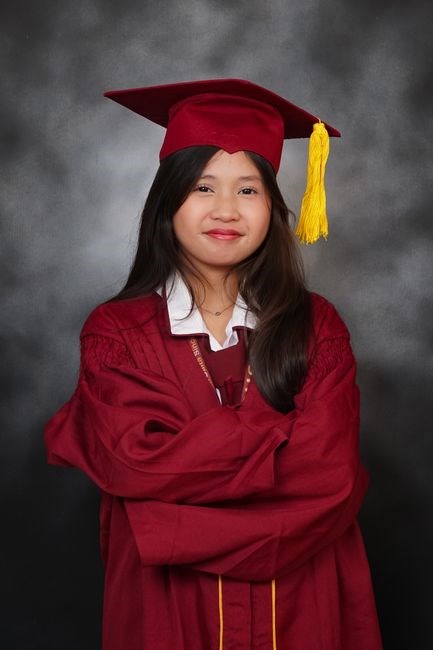
Getty Images hosts 1,265 high‑resolution manual high school images. School yearbook archives and online repositories provide access to graduation, workshop, and sports snapshots, ensuring broad visibility. and digital archives.!!
Getty Images and Stock Photo Libraries
Getty Images hosts a vast collection of manual high school photographs, offering over 1,265 high‑resolution images that span a range of school activities—from carpentry workshops and basketball games to graduation ceremonies. These images are available for licensing under various royalty‑free and rights‑managed agreements, allowing educators, alumni associations, and event planners to incorporate authentic school moments into marketing materials, for school newsletters. The platform’s search filters enable users to narrow results by location, year, or specific subjects, ensuring precise retrieval of the desired visual content. In addition, Getty’s editorial licensing options provide access to images that have already met journalistic standards, making them suitable for news coverage of school events. For those seeking broader, more customizable options, other stock photo libraries such as Shutterstock, Adobe Stock, and iStock also feature curated collections of manual high school photos. These libraries offer flexible pricing models, including subscription plans and on‑demand purchases, and provide tools for bulk image downloads and metadata tagging. By leveraging these resources, schools and alumni groups can maintain a dynamic visual archive that supports community engagement, fundraising initiatives, and historical preservation efforts. All images are accompanied by detailed metadata, which facilitate proper attribution and compliance with copyright regulations for archival use and public display and

School Yearbook Archives and Online Repositories
Yearbook archives are the cornerstone of manual high school photo preservation. Most schools digitize their printed yearbooks, making them searchable on institutional websites or through third‑party services such as the National School Photo Archive and the Digital Yearbook Project. These repositories host thousands of images, from classroom snapshots to athletic team photos, and often include metadata like student names, class year, and activity captions. Alumni associations frequently curate these collections, adding commentary, event notes, and reunion photos to create a living history that can be accessed by former students worldwide. Online platforms like Alumnic, Classmates.com, and the School Photo Archive allow users to upload, tag, and share images, fostering community engagement and enabling the discovery of long‑lost classmates. Many schools partner with local libraries or historical societies to preserve fragile originals, while the digital copies are stored in secure, cloud‑based systems that provide redundancy and easy retrieval for future generations. By leveraging these yearbook archives and online repositories, schools can maintain an accessible, searchable visual record that supports fundraising, alumni outreach, and the celebration of school traditions. These digital archives not only preserve the aesthetic of past school years but also serve as a research tool for enabling comparative analysis of student demographics, extracurricular participation, evolving school culture over decades!!
Legal and Copyright Considerations
Legal and copyright rules govern manual high school photos. Schools typically own images taken on campus, but model releases are required for use. Getty Images licenses images under commercial terms, while yearbook archives may be domain or require permission. Always check ownership before sharing.
In the United States, copyright law automatically protects photographs taken by a school or its staff, granting the institution exclusive rights to reproduce, distribute, and display the images. When students are identifiable, FERPA and state privacy statutes require a signed model release before a photo can be used commercially or posted online. Many districts adopt a blanket release policy for yearbooks and promotional materials, but this does not cover third‑party use such as stock photo libraries. When a school sells or licenses a photo, the license typically includes a non‑exclusive, worldwide, royalty‑free right to use the image for a specified term and purpose. Some districts retain full ownership, allowing them to reprint yearbooks or create promotional videos; others transfer ownership to a third‑party photographer or agency, which then holds the copyright. The school must ensure that all model releases are current and that the license terms are respected. Failure to obtain proper releases can lead to infringement claims, especially if the photo is used commercially. For archival purposes, schools keep a digital record of each release, matching it to the corresponding image file. In summary, copyright ownership of manual high school photos resides with the institution that commissioned or captured the image, but usage rights are tightly regulated by model releases, FERPA, and the specific terms of any commercial license. Proper documentation and clear communication with students and parents are essential to navigate these legal complexities and to ensure that the images can be shared responsibly and ethically. and uphold all regulations now.

Model Release Forms and Privacy Laws
In the United States, the Family Educational Rights and Privacy Act (FERPA) protects students’ personal information, including photographs that can identify them. Schools must obtain a signed model release from each student or parent before a photo is used for commercial purposes, such as stock libraries or promotional materials. The release must specify the intended use, the distribution channels, and the duration of the license. Many districts adopt a blanket release policy for yearbook and school‑event photography, but this does not cover third‑party licensing. When a school sells a photo to a stock agency, the agency must verify that the release is valid and that the student’s privacy rights are respected. If a release is missing or incomplete, the school risks copyright infringement claims and potential FERPA violations. Some states require additional consent for images posted on social media or used in advertising. Schools should maintain a digital record of every release, linking it to the corresponding image file, and regularly audit the database to ensure compliance. Proper documentation ensures that the images can be shared responsibly while protecting students’ privacy and the institution’s legal interests. By adhering to these protocols, schools not only safeguard student privacy but also create a reliable archive that can be accessed by alumni, researchers, and educators, ensuring that the legacy of each photo remains intact for future generations. All rights reserved. ©!

Future Trends and Best Practices
Future trends in manual high school photos focus on cloud archiving, AI enhancement, and real‑time sharing. Schools adopt secure digital vaults, use AI to auto‑tag subjects, and integrate privacy‑aware sharing platforms for alumni. These practices boost accessibility while safeguarding studentdata
Digital Archiving and Cloud Storage
Manual high school photos are increasingly stored in secure cloud platforms to preserve image quality and ensure long‑term access. Schools use services such as Google Drive, Microsoft OneDrive, and dedicated archival solutions that offer encryption, version control, and compliance with privacy regulations. By migrating legacy print and digital files into the cloud, institutions can consolidate yearbook archives, event photography, and student portfolios in a single, searchable repository. Metadata tagging—capturing student names, dates, classes, and activity descriptions—enables quick retrieval and supports alumni networking. Cloud storage also facilitates collaboration among faculty, photo editors, and administrators, allowing simultaneous editing and approval workflows. Additionally, automated backup routines protect against hardware failure and accidental deletion, while tiered storage options balance cost and retrieval speed. Integration with school information systems further streamlines access, linking photos to student records and graduation certificates. As schools adopt these practices, they reduce physical storage needs, lower maintenance costs, and provide a resilient, scalable solution for preserving the visual history of manual high schools. In practice, the transition to cloud storage requires careful planning: selecting a provider that meets FERPA standards, training staff on metadata best practices, establishing a retention schedule that balances accessibility with regulatory compliance.!!
AI Tools for Photo Enhancement
Artificial intelligence has revolutionized high school photography by automating tasks such as upscaling, color correction, and background removal, allowing educators to focus on storytelling rather than technical detail. Moreover, the integration of AI algorithms into the school’s photography workflow not only enhances image quality but also democratizes access to professional tools, enabling students from diverse backgrounds to experiment with creative editing, develop digital portfolios, and showcase their artistic vision on social media platforms, thereby fostering a culture of innovation, collaboration, and lifelong learning that extends beyond the classroom and into the broader community, where alumni and educators can share best practices, exchange resources, and inspire future generations to pursue careers in visual media, technology, and the arts. By integrating these AI enhancements into the school’s digital workflow, administrators can generate images that meet archival standards while reducing labor. The resulting visual assets support marketing, alumni relations, and historical documentation, ensuring that every student’s moment is preserved with clarity and precision. for all now Empowering creator