Steven Rinella’s comprehensive guide offers practical, tried-and-true techniques for navigating the outdoors, prioritizing skills over mere survival, and embracing responsible wilderness practices.
This 400+ page New York Times bestseller provides a roadmap for staying comfortable and alive, acknowledging inherent dangers while emphasizing preparedness and informed decision-making.
Overview of the Book’s Philosophy
Rinella’s philosophy, central to The MeatEater Guide, distinctly separates wilderness skills from the sensationalized notion of survival at all costs. The book champions competence and preparation as the primary goals, believing proficiency minimizes risk and enhances the outdoor experience.
It’s an antidote to the dramatic tropes of the survival genre, grounded in real-world experiences and emphasizing practical knowledge. The guide acknowledges inherent dangers—people “find stupid ways to die”—but asserts that preparedness, fostered by learning essential skills, dramatically increases one’s chances of a positive outcome.
The Importance of Skill Over Pure Survival
The MeatEater Guide fundamentally prioritizes developing robust wilderness skills, positioning them as far more valuable than simply focusing on desperate survival tactics. This approach isn’t about enduring hardship; it’s about preventing crises through knowledge and proactive preparation.
The book argues that mastering navigation, shelter building, firecraft, and food acquisition allows one to confidently navigate the outdoors, reducing reliance on luck or emergency measures. Competence fosters a deeper connection with nature and transforms potential threats into manageable challenges.
Essential Wilderness Skills
Rinella’s guide details crucial competencies: navigation, shelter construction, firecraft, and procuring water and food—foundational elements for safe and self-sufficient outdoor experiences.
Navigation & Orienteering
The MeatEater Guide emphasizes mastering traditional navigation techniques as a cornerstone of wilderness competence; This involves a deep understanding of map and compass mastery, moving beyond reliance on technology.
While acknowledging the utility of GPS technology, the book advocates for proficiency in older methods, recognizing their reliability even when batteries fail or signals are unavailable. Effective orienteering ensures you can confidently determine your location and chart a course, crucial for both planned expeditions and unexpected situations.
Map and Compass Mastery
The MeatEater Guide stresses that true wilderness navigation begins with a thorough understanding of topographic maps – reading contours, identifying landmarks, and understanding scale. Coupled with this is mastering compass use, including taking bearings, following a course, and accounting for declination.
The book likely details practical exercises for honing these skills, emphasizing the importance of consistent practice. Proficiency isn’t simply knowing how to use the tools, but developing an intuitive sense of direction and spatial awareness in the field.
Using GPS Technology Effectively
The MeatEater Guide likely advocates for GPS as a valuable supplement, not a replacement, for traditional navigation. It probably covers waypoint creation, route planning, and understanding different coordinate systems. Crucially, the book likely emphasizes the need for redundancy – batteries fail, devices break, and reliance solely on technology is risky.
Effective GPS use, according to the book’s philosophy, involves knowing how to integrate it with map and compass skills, ensuring a layered approach to staying oriented in the wilderness.
Shelter Building
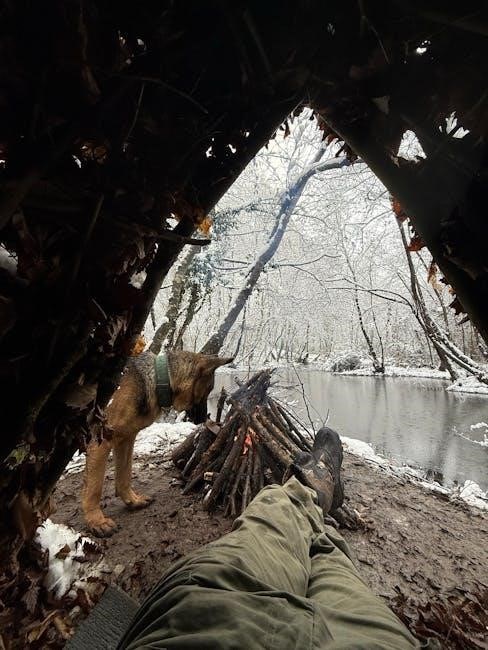
The MeatEater Guide likely details both utilizing natural formations for immediate protection and constructing more robust, improvised shelters. Expect instruction on identifying suitable locations – considering wind direction, terrain, and available materials. The book probably stresses resourcefulness, using what the environment provides, like branches, leaves, and snow.
Prioritizing efficiency and minimizing energy expenditure are key, aligning with the book’s focus on practical skills for extended wilderness stays and potential survival scenarios.
Natural Shelters: Utilizing the Environment
The MeatEater Guide would emphasize identifying pre-existing natural formations offering protection – rock overhangs, dense tree cover, or shallow caves. It likely details how to enhance these, adding debris for insulation and windbreaks. Understanding microclimates is crucial; seeking areas shielded from prevailing winds and maximizing sun exposure.
This approach minimizes effort, aligning with the book’s pragmatic survival philosophy, focusing on leveraging the landscape rather than extensive construction, conserving energy for other essential skills.
Constructing Improvised Shelters
The MeatEater Guide likely details building lean-tos using branches and foliage, prioritizing simplicity and efficiency. It would stress utilizing available materials – fallen trees, large branches, and natural debris – minimizing tool reliance. Construction focuses on creating a weatherproof barrier against elements like rain and wind.
Emphasis is placed on insulation, using leaves and pine needles, and understanding shelter orientation for optimal warmth and protection, reflecting a practical, resource-conscious survival mindset and essential skills.
Firecraft
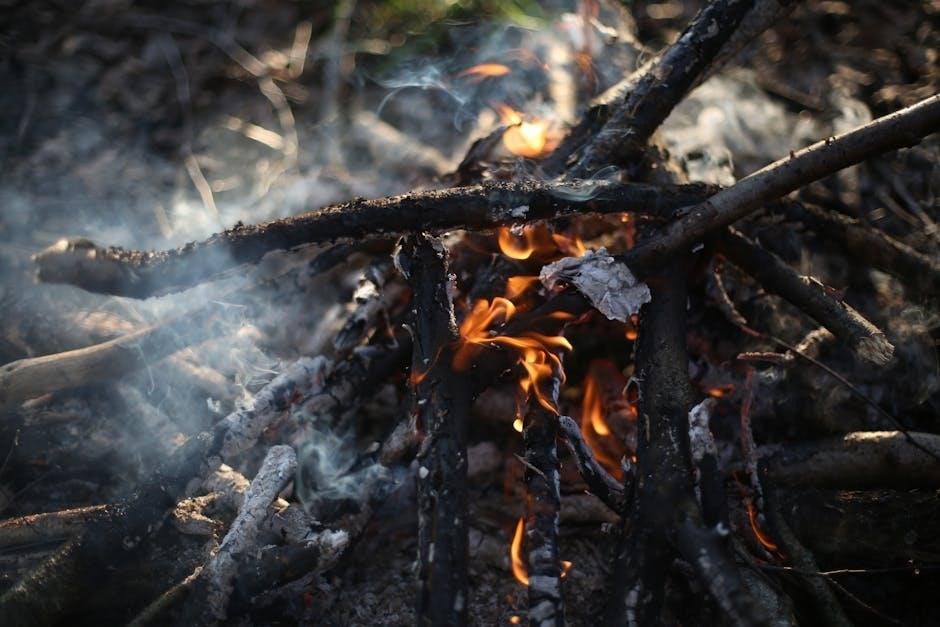
The MeatEater Guide undoubtedly covers diverse fire-starting methods, moving beyond matches to include friction-based techniques like bow drills and hand drills, emphasizing resourcefulness. It likely details tinder selection – birch bark, pine resin, and dry grasses – crucial for ignition.
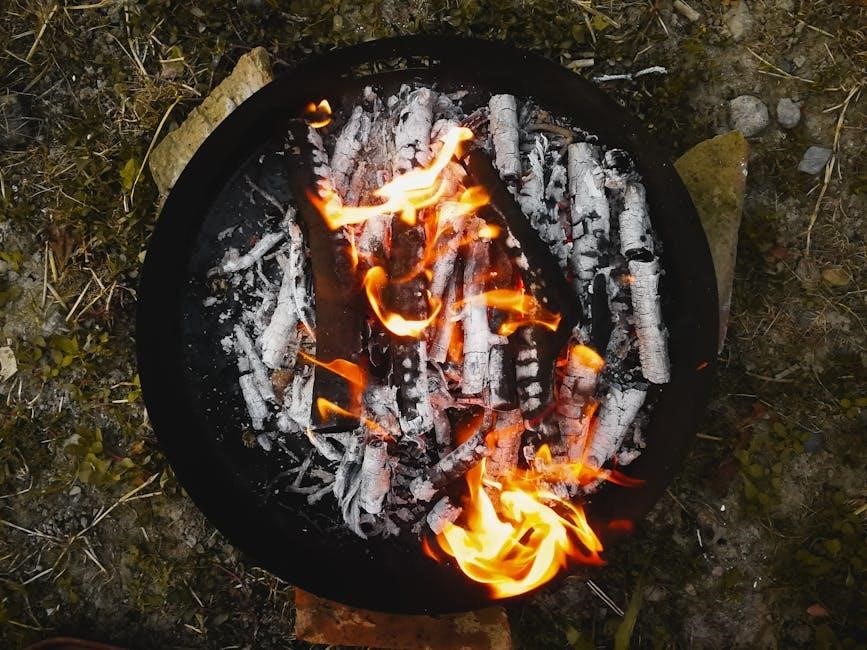
Maintaining a fire in adverse conditions, such as wet weather, is a key focus, alongside fuel management and fire safety. This section underscores fire’s importance for warmth, cooking, signaling, and psychological well-being, vital skills for survival.
Fire Starting Methods (Various Techniques)
The MeatEater Guide likely details a spectrum of fire-starting techniques, extending beyond conventional matches and lighters. Expect comprehensive instruction on friction-based methods – the bow drill, hand drill, and fire plow – demanding practice and suitable materials.
Furthermore, the guide probably explores utilizing ferrocerium rods (“ferro rods”) and magnifying glasses for ignition. Emphasis is placed on understanding tinder selection, preparation, and the importance of building a sustainable fire lay for reliable results in diverse environments.
Maintaining a Fire in Adverse Conditions
The MeatEater Guide likely addresses the challenges of sustaining a fire amidst rain, wind, and cold temperatures. Techniques for building windbreaks using natural materials, creating a fire reflector, and elevating the fire off damp ground are probably covered.
Expect guidance on selecting appropriate fuel – prioritizing dry wood and understanding how different wood types burn – and strategies for conserving fuel during prolonged periods of inclement weather. Protecting the ember bed is crucial, alongside diligent tending.
Water Procurement & Purification
The MeatEater Guide emphasizes locating water sources in diverse wilderness environments, from springs and streams to collecting rainwater and dew. Crucially, it details purification methods to render found water safe for consumption.
Expect comprehensive instruction on boiling water effectively, alongside guidance on utilizing portable water filters and purification tablets. Understanding potential contamination risks and employing multiple purification steps are likely highlighted, ensuring safe hydration during extended outdoor excursions.
Finding Water Sources in the Wilderness
The MeatEater Guide likely details identifying potential water sources, including observing animal trails leading to water, recognizing vegetation indicating nearby moisture, and locating natural depressions where rainwater collects.
Expect instruction on finding springs, streams, and even extracting water from plants. The book probably covers techniques for collecting dew and rainwater using improvised materials. Prioritizing areas with geological features conducive to water accumulation is a key skill emphasized for successful procurement.
Water Filtration and Boiling Techniques
The MeatEater Guide undoubtedly stresses the critical importance of purifying found water to eliminate harmful bacteria and pathogens. Expect detailed instructions on constructing improvised filters using charcoal, sand, and fabric to remove sediment.
Boiling remains a primary purification method, with guidance on achieving a rolling boil for sufficient duration. The book likely discusses alternative chemical purification options, alongside the pros and cons of each technique, ensuring safe hydration in remote environments.
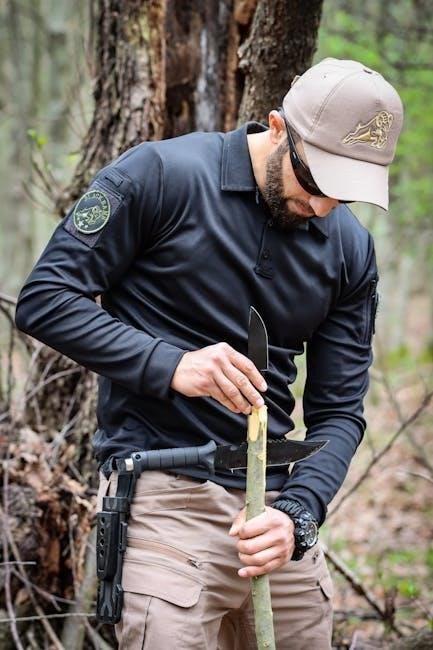
Food Acquisition
Rinella’s guide details foraging, hunting, and fishing, emphasizing ethical considerations and practical techniques for sustainably obtaining nourishment in wilderness settings.
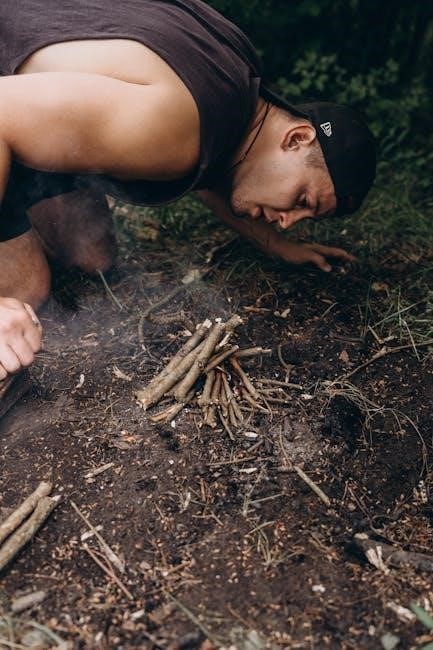
Foraging for Edible Plants
The MeatEater Guide stresses the importance of confidently identifying safe and nutritious plants for sustenance while in the wilderness. Successful foraging requires diligent study and a cautious approach, avoiding potentially harmful species.
The book advocates for sustainable foraging practices, emphasizing responsible harvesting to ensure the continued availability of plant resources for both personal use and the ecosystem’s health. Understanding plant life cycles and respecting the environment are key components of ethical foraging.
Identifying Safe and Nutritious Plants
The MeatEater Guide highlights that accurate plant identification is paramount, as misidentification can lead to serious illness or even death. Detailed knowledge of plant characteristics – leaves, stems, flowers, and fruits – is crucial for positive identification.
Relying on multiple identifying features and cross-referencing with reliable field guides is strongly recommended. Beginners should start with easily recognizable plants and gradually expand their knowledge base, always prioritizing caution and avoiding consumption if unsure.
Sustainable Foraging Practices
The MeatEater Guide emphasizes responsible foraging to ensure the long-term health of plant populations. Harvesting should be done selectively, taking only what is needed and leaving the majority of plants undisturbed to reproduce.
Avoid uprooting entire plants unless absolutely necessary, and be mindful of sensitive ecosystems. Rotate foraging areas to allow plants to recover, and learn about the life cycles of the species you are harvesting to avoid impacting their reproduction.
Hunting & Trapping Basics
The MeatEater Guide stresses ethical hunting considerations, advocating for respectful and responsible harvesting of game. Understanding animal behavior, practicing accurate shooting, and ensuring a quick, humane kill are paramount.
Basic trapping techniques, like snares, are covered, but with a strong emphasis on legal regulations and responsible use. The book acknowledges the inherent dangers and complexities of hunting and trapping, promoting a deep respect for wildlife and the environment.
Ethical Hunting Considerations
The MeatEater Guide deeply emphasizes a hunter’s responsibility extending beyond legal compliance. It advocates for a profound respect for the animal, prioritizing a quick, clean, and humane harvest above all else.
This includes diligent practice for accurate shot placement, thorough understanding of animal anatomy, and responsible field dressing. The book promotes minimizing suffering and utilizing the entire animal, honoring its life through respectful consumption and avoiding waste.
Basic Trapping Techniques (Snares, etc.)
The MeatEater Guide introduces fundamental trapping methods, like snare construction, as a potential food procurement strategy in prolonged wilderness scenarios. However, it stresses the critical importance of understanding and adhering to all local regulations and legal requirements regarding trapping.
The book emphasizes responsible trap placement, frequent checking to minimize animal suffering, and a thorough understanding of target species’ behavior. It’s presented as a last-resort skill, demanding knowledge and ethical consideration.
Fishing Techniques
The MeatEater Guide details resourceful methods for acquiring food through fishing, even with limited gear. It focuses on improvising fishing tackle from natural materials, demonstrating how to create lines, hooks, and lures from available resources in the wilderness environment.
The guide also stresses the importance of identifying edible fish species native to the region, understanding their habits, and employing appropriate techniques for successful catches, contributing to sustainable food acquisition.
Improvised Fishing Gear
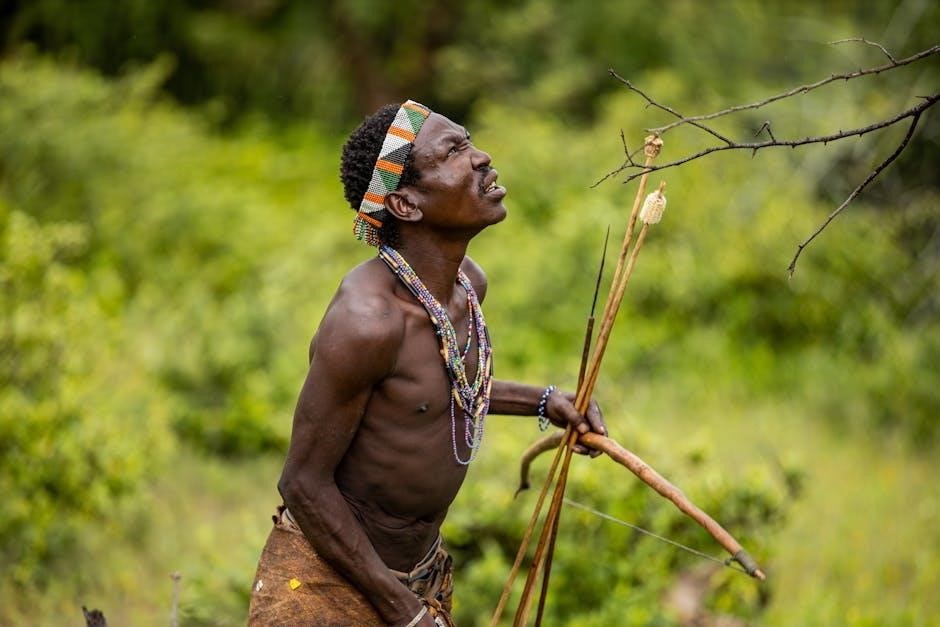
The MeatEater Guide emphasizes resourcefulness, detailing how to construct fishing gear from the natural world. It explains crafting hooks from bone, wood, or even thorns, and creating lines using plant fibers or animal sinew.
Furthermore, the book illustrates building simple fishing rods from branches and fashioning lures to attract fish, showcasing practical skills for obtaining food when conventional equipment is unavailable, promoting self-reliance in wilderness settings.
Identifying Edible Fish Species
The MeatEater Guide stresses the importance of accurately identifying fish for safe consumption. It details key characteristics to distinguish edible species from those that may be poisonous or unpalatable, emphasizing caution and thorough observation.
The book likely covers regional variations, helping outdoorsmen recognize common fish in different environments. Knowing which species are safe and nutritious is crucial for sustainable food acquisition during wilderness excursions, promoting responsible foraging practices.
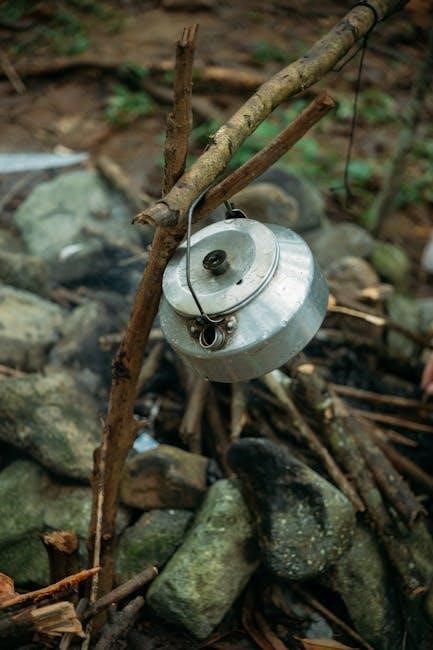
Safety & Emergency Preparedness
Rinella’s guide emphasizes proactive preparation, covering first aid, signaling techniques, and emergency communication, acknowledging inherent wilderness risks and promoting self-reliance.
First Aid & Wilderness Medicine
The MeatEater Guide dedicates significant attention to addressing injuries and illnesses encountered in remote environments, moving beyond basic care. It stresses the importance of understanding how to treat common ailments when professional medical help is delayed or inaccessible.
Furthermore, the book details the essential components of a comprehensive first-aid kit, tailored for wilderness scenarios, and provides guidance on utilizing available resources effectively. Prioritizing preventative measures and knowledge is key to mitigating risks and ensuring a safer outdoor experience.
Treating Common Injuries and Illnesses
The MeatEater Guide doesn’t shy away from the realities of wilderness mishaps, offering practical advice for handling frequent injuries like sprains, fractures, and lacerations. It also addresses common wilderness illnesses, emphasizing recognition and initial management before evacuation is possible.
The book stresses adapting treatment based on available resources and the severity of the situation, acknowledging that improvisation is often necessary. Understanding basic wound care, stabilization techniques, and recognizing signs of serious conditions are crucial skills.
Building a Comprehensive First-Aid Kit
The MeatEater Guide emphasizes that a well-stocked first-aid kit is paramount for wilderness excursions, going beyond basic bandages. It details essential components, including wound cleaning supplies, pain relievers, blister treatment, and tools for stabilizing injuries.
The guide advocates tailoring the kit to the specific environment and trip duration, considering potential hazards and individual medical needs. It also stresses the importance of knowing how to use each item effectively, not just carrying it.
Signaling for Help
The MeatEater Guide highlights that effective signaling is crucial when facing emergencies in the wilderness. It details various methods for attracting attention, including utilizing signal mirrors to reflect sunlight over long distances and creating visible ground-to-air signals.
Furthermore, the book discusses understanding and utilizing emergency communication devices, recognizing their limitations, and preparing for scenarios where technology fails, emphasizing redundancy in signaling strategies.
Methods for Attracting Attention (Signals, Mirrors)
The MeatEater Guide emphasizes employing diverse techniques to maximize visibility during emergencies. Creating large, contrasting ground signals – using rocks, branches, or clothing – can be spotted from the air. A signal mirror, a lightweight and effective tool, reflects sunlight over considerable distances, potentially catching the eye of rescuers.
The book stresses practicing these methods beforehand to ensure proficiency and understanding of optimal angles and conditions for effective signaling, increasing the chances of a swift rescue.
Understanding Emergency Communication Devices
The MeatEater Guide acknowledges the value of modern technology, but cautions against over-reliance. Devices like satellite messengers and personal locator beacons (PLBs) can transmit SOS signals and location data, crucial in remote areas without cell service.
However, the book stresses understanding device limitations – battery life, signal obstructions – and emphasizes that these tools supplement, not replace, fundamental wilderness skills and proactive preparation for potential emergencies.
Gear & Equipment
The MeatEater Guide details an essential gear checklist and emphasizes knife selection and maintenance as foundational elements for wilderness preparedness and practical survival.
Essential Gear Checklist
Rinella’s guide doesn’t simply list items; it frames gear as tools enabling competence and confidence in the wilderness. A comprehensive checklist is vital, encompassing navigation tools like maps and compasses alongside reliable communication devices for emergencies.
Prioritizing a robust first-aid kit is crucial, alongside appropriate clothing for varied conditions. The book stresses quality over quantity, advocating for durable, versatile equipment suited to the specific environment and anticipated challenges. Careful consideration of weight and packability is also emphasized.
Knife Selection & Maintenance
Rinella emphasizes the knife as arguably the most crucial tool for wilderness travel, extending far beyond basic cutting tasks. The guide details selecting a knife based on intended use – hunting, processing game, or general camp duties – prioritizing full tang construction for durability.
Proper maintenance, including regular sharpening and cleaning, is presented as essential for safety and effectiveness. The book stresses understanding steel types and honing techniques to ensure a reliable edge, transforming a simple tool into a vital survival asset.